

Mohamed ARKID
DevOps & Cloud Consultant
Paying too much for AWS? Let's fix that.
I help startups cut cloud spend 30–40% and ship without breaking production. Free 15-minute review — no report, just the fixes.
Overview
DevOps Engineer @Phaxel
Social Links


Hi There!
I help companies stop wasting money on broken infrastructure and slow deployments. Most of my work involves taking messy, manually-managed AWS environments and turning them into automated, self-healing systems that actually work at 3 AM without waking anyone up.
If your team is afraid to deploy, your AWS bill keeps climbing, or your "monitoring" is someone checking Slack for complaints, we should talk.
Stack




Projects(6)
A complete infrastructure-as-code solution deploying a Python Flask application to AWS. Features an automated CI/CD pipeline that builds, tests, and deploys the application with multi-stage Docker builds and strict IAM least-privilege policies.
- Terraform
- AWS
- GitHub Actions
- Docker
- Python
A comprehensive 9-service monitoring suite capturing the 'Four Golden Signals' of observability. Includes custom load generators to simulate production traffic, automated alerting thresholds, and incident response runbooks.
- Prometheus
- Grafana
- Loki
- AlertManager
- Docker
A production-ready Kubernetes cluster built with K3s and managed entirely through GitOps via ArgoCD. Features automated horizontal pod autoscaling (HPA), automated rollbacks, and declarative infrastructure management.
- Kubernetes
- ArgoCD
- GitOps
- Helm
- K3s
GitHub Contributions
Experience

- Infrastructure Architecture: Architected and managed AWS cloud infrastructure for a high-volume EDI validation platform, ensuring sub-second API latency for thousands of daily payloads.
- Kubernetes: Built a production-grade Kubernetes cluster from scratch on VMware for internal microservices, eliminating deployment bottlenecks and increasing release velocity by 300%.
- Zero-Touch Automation: Replaced manual runbooks with automated n8n workflows for CI/CD and monitoring, saving 15+ hours of engineering toil per week.
- Backend Scaling: Deployed and secured FastAPI backend services on AWS, maintaining strict compliance for sensitive supply chain data.
- AWS
- Kubernetes
- Docker
- VMware
- FastAPI
- n8n
- CI/CD
- Cloud Security
- Monitoring
- GitLab CI/CD
- Docker
- Terraform
- AWS
- Kubernetes
- Prometheus
- Cloud Infrastructure
- Automation
AJICOD
- Java
- Spring Boot
- PostgreSQL
- REST API
- Authentication
- Docker
Education
- Embedded AI
- Software Engineering
- Systems Design
- Java
- Python
- PostgreSQL
- Software Engineering
Featured Posts
View all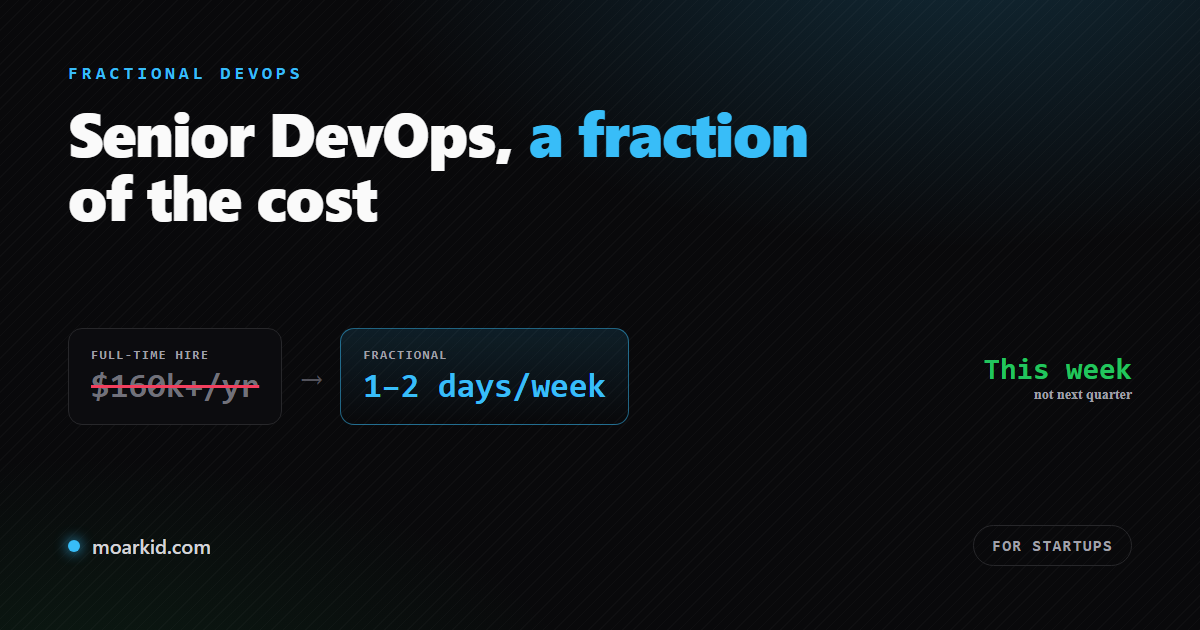
Why Your Startup Needs a Fractional DevOps Engineer
Hiring a full-time senior DevOps engineer is slow and expensive. A fractional DevOps consultant gives you expert infrastructure support at a lower cost.
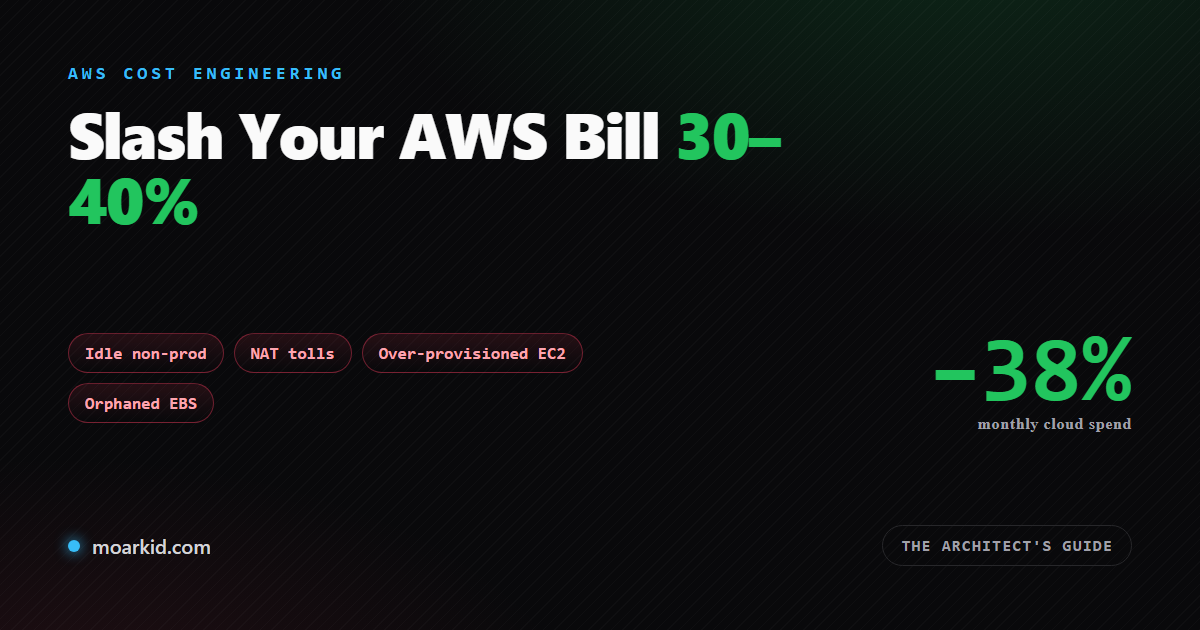
Slash Your AWS Bill by 30%: The Architect's Guide
Cut AWS and Kubernetes compute costs by 30%. Learn cost optimization strategies including Karpenter, EC2 Spot Instances, and Graviton.
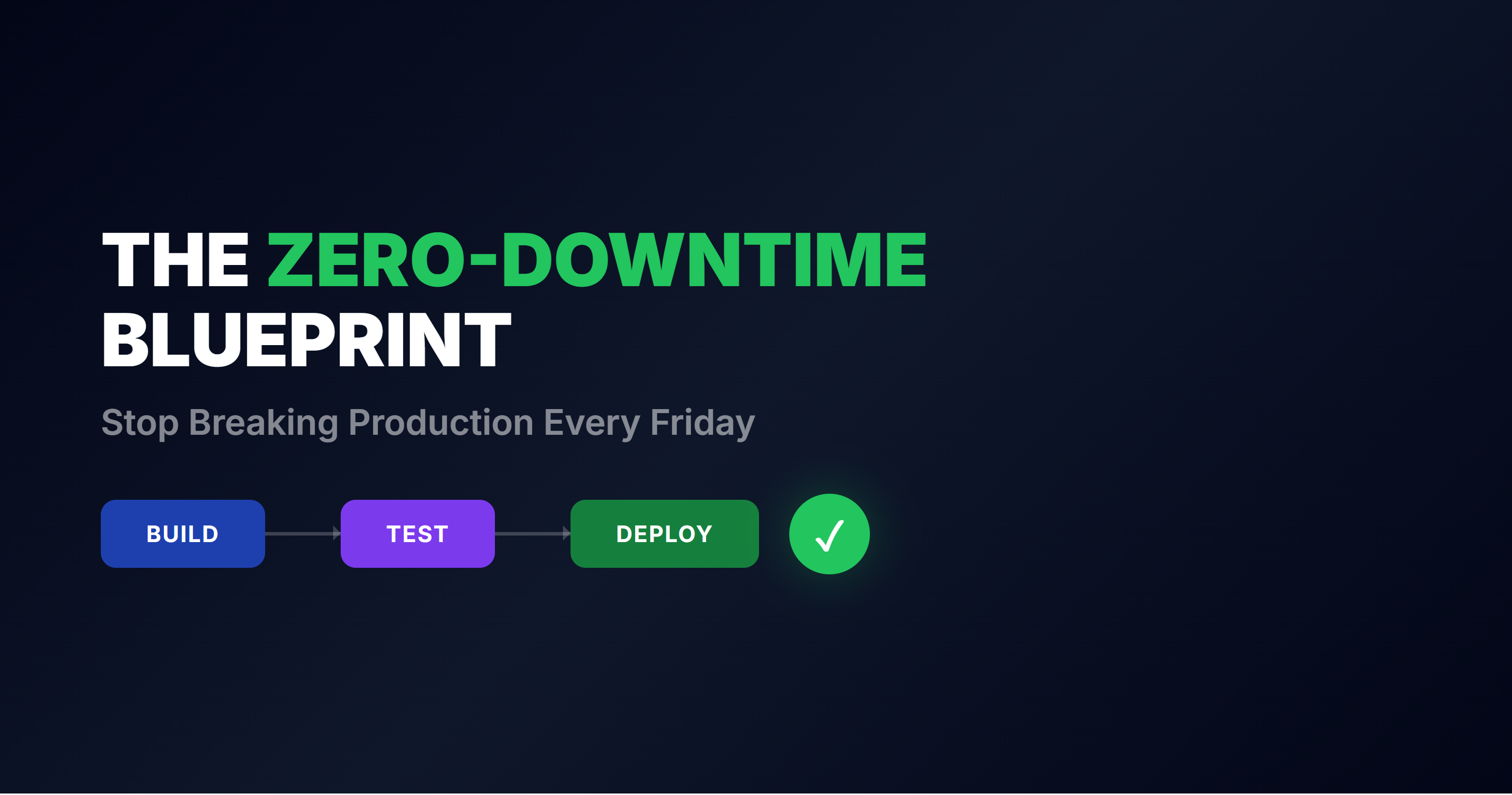
Zero-Downtime Blueprint: Stop Breaking Production
Is your team afraid to deploy updates on Friday? Learn the GitOps and CI/CD blueprint for safe, automated, zero-downtime application deployments.